Empowering Lives: Navigating the Journey of Cancer with Support and Knowledge
Navigating the landscape of cancer is no small feat. From the moment a diagnosis reverberates through your life, a whirlwind of emotions and choices begins to unfold. The word ‘cancer’ can feel like an ominous cloud looming over our health and wellness. But the truth is, many paths exist through this storm; paths illuminated by knowledge, support, and the strength of community. As we delve into the journey from diagnosis to survivorship, it’s essential to recognize the power of education, advocacy, and shared experiences that can foster resilience in the cancer community.
When we talk about oncology, it’s easy to get lost in the medical jargon. But at its core, oncology is about people—people diagnosed with malignancy, fighting valiantly against tumor growth, and navigating their way through treatments and therapies. Perhaps the most profound aspect of this journey is the stories of survivors who have bravely faced the terrifying reality of cancer. Their experiences serve as both inspiration and guidance, reminding us that we are never truly alone in our battles. "It’s not about the cards we’re dealt, but how we choose to play them," is a sentiment often voiced by those who have triumphed, offering hope to new patients still grappling with fear and uncertainty.
Healthcare is multifaceted, encompassing disease management paths that include chemotherapy, radiation, and emerging clinical trials. But there’s a world beyond conventional treatments, one that embraces alternative therapies and holistic health approaches. Nutrition and cancer go hand-in-hand, as what we consume can profoundly impact our overall wellness and ability to cope with treatment side effects. Have you considered how fresh produce or a balanced diet could bolster your body's fight against cancer? Conversations about dietary choices often take place in support groups, which serve as invaluable networks where individuals can share their trials and triumphs, gaining encouragement and emotional support.
The road from diagnosis to survivorship doesn’t end with treatment. In fact, it’s in this phase that cancer awareness and continued education become crucial. Understanding symptom management, engaging in palliative care, and joining cancer survivorship programs are essential steps toward reclaiming one’s life. This period can feel daunting, but empowering yourself with health information can provide clarity in moments of confusion. As they say, ‘knowledge is power,’ and within the cancer community, this power translates to advocacy—not just for ourselves, but for others walking a similar path.
Finally, as we reflect on navigating cancer's landscape, let’s not forget the role of emotional support. It’s okay to grieve, to feel overwhelmed, and to seek help. In a world where resilience is often celebrated, it’s equally important to acknowledge vulnerability. The journey can be long, and while we may feel like we’re racing against time, remember to pause and breathe. With every survivor story shared and every supportive hand offered, we pave the way toward a brighter future in cancer care. Together, we can foster a culture that respects the struggles of living with cancer while celebrating every moment of survival.
Empowering Patients: The Role of Support Systems and Education in Oncology
Cancer is a word that evokes a myriad of emotions and thoughts—fear, uncertainty, hope, and resilience among them. It’s not just a condition; it’s a life-altering journey, one that affects not only patients but their families and friends. In the world of oncology, where malignancy can feel all-consuming, support systems and education are vital. They empower patients to take control, learn about their disease, and find ways to cope with the associated challenges. But what does empowerment look like in the context of cancer? How can the right information and emotional support facilitate a path through this darkness?
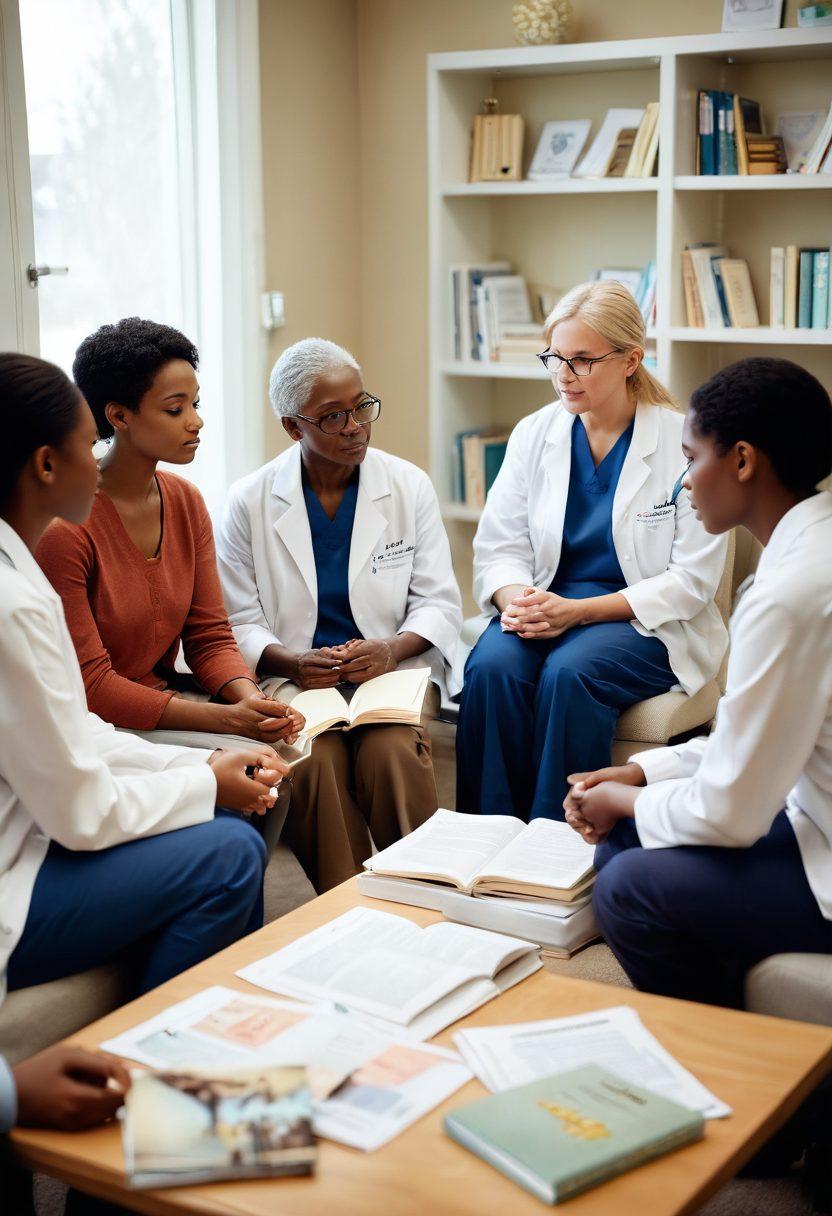
Imagine receiving a cancer diagnosis—a moment that can shatter dreams and alter trajectories. Now think about how different this experience could be with a strong support system! Surrounded by medical professionals, loved ones, and community resources, patients can navigate their cancer journey with a sense of purpose. Emotional support becomes a beacon of light, illuminating pathways to wellness. Through patient support initiatives and cancer community involvement, individuals can exchange survivor stories, which not only inform but also inspire strength and hope. Isn't it uplifting to know that you are never alone in this fight?
Education is a powerful tool in oncology. It equips patients and their families with the knowledge to understand their condition, leading to better disease management and pursuit of appropriate cancer treatment options. From learning about clinical trials and alternative therapies to understanding symptoms management and nutrition and cancer, education plays a pivotal role. Engaging with healthcare professionals, attending cancer awareness workshops, and reading informative health blogs can significantly improve health information accessibility. So, are you ready to seize the initiative and become an active participant in your health journey?
Support groups are invaluable in providing a safe haven for patients dealing with similar experiences. These groups foster connection and camaraderie, reminding individuals that sharing their burdens can promote healing. Emotional support from those who truly understand the struggle can transform how one copes with their diagnosis. Palliative care teams, too, play a critical role, offering both physical and emotional wellness and adapting to individual needs. Cutting through isolation, they promote a sense of belonging. What will your community look like as you navigate living with cancer?
In the ever-evolving world of healthcare, advocacy emerges as a key player in enhancing cancer education and preventive care measures. By pushing for more research focused on survivorship programs and holistic health approaches, we can ensure that individuals not only survive but thrive post-diagnosis. As patients, it is essential to educate ourselves and give a voice to those impacted by cancer; we can change the course of the future through advocacy. After all, the journey through cancer is not merely about overcoming a tumor; it's about living fully, embracing wellness, and finding triumph even amidst adversity. How will you empower yourself and others in the fight against cancer?
Transforming Cancer Journeys: Insights on Wellness, Nutrition, and Community Support
Cancer, a word that carries a heavy weight, can feel like an insurmountable mountain when faced with a diagnosis. But through the fog of fear and uncertainty emerges a transformative journey fueled by support, knowledge, and community. Navigating the complex world of oncology doesn’t have to be a lonely path. By prioritizing wellness, nutrition, and community support, patients can reclaim their narratives and empower themselves through the healing process. One quote that resonates deeply is, 'Courage doesn’t always roar. Sometimes courage is the quiet voice at the end of the day saying, 'I will try again tomorrow.' This journey requires that kind of fortitude, and we're here to help guide the way.
As we dive deeper into the remarkable world of cancer treatment, it’s essential to recognize the role of nutrition in managing health and wellness. Emerging medical research has illuminated the connection between what we eat and how we cope with malignancies. Proper nutrition can become a powerful tool in symptom management, enhancing not only physical strength but also emotional resilience. What if the foods you consume could aid in your recovery process? From antioxidants to anti-inflammatory diets, learning about nutrition and cancer opens doors to alternative therapies that many might overlook. It’s about creating a balanced life, and anyone can start making small, impactful adjustments today.
Patient support is not just an option; it’s a necessity on the cancer journey. Whether through formal cancer community groups or informal support networks, it provides a safe space to share survivor stories and gain insight from others who have navigated similar paths. Have you ever felt the power of being understood? Engaging in these conversations can foster emotional support, create lasting friendships, and enhance cancer awareness among peers. Surrounding oneself with a supportive circle helps alleviate feelings of isolation, providing the strength to face the challenges that accompany a cancer diagnosis.
Moreover, the importance of preventive care and early detection cannot be overstated in the fight against cancer. Regular check-ups, screenings, and listening to one’s body are vital components of disease management. How many of us ignore subtle signs, thinking they will go away? We often wait until it’s too late to seek help or to engage with medical professionals about our growing concerns. By prioritizing health information and education, we empower ourselves to make informed decisions about our healthcare journey. Join a local workshop or read health blogs that focus on early detection strategies — every bit of knowledge counts!
Finally, the journey does not end with treatment; it extends into cancer survivorship programs that help individuals cope post-diagnosis. These programs provide crucial resources and emotional support to navigate life after treatment. As you reflect on your experience, think about how you can contribute to the cancer community. Can you become an advocate for cancer education? Share your personal journey and inspire others who might be struggling. Remember, living with cancer is not just about surviving; it’s about thriving, creating a community, and embracing holistic health. Together, we can transform our cancer journeys into stories of hope, resilience, and empowerment.